

Cancer Survivor Doctor Introduces Patented Visceral Release Tools for Organ-Related Pain and Mobility Restrictions
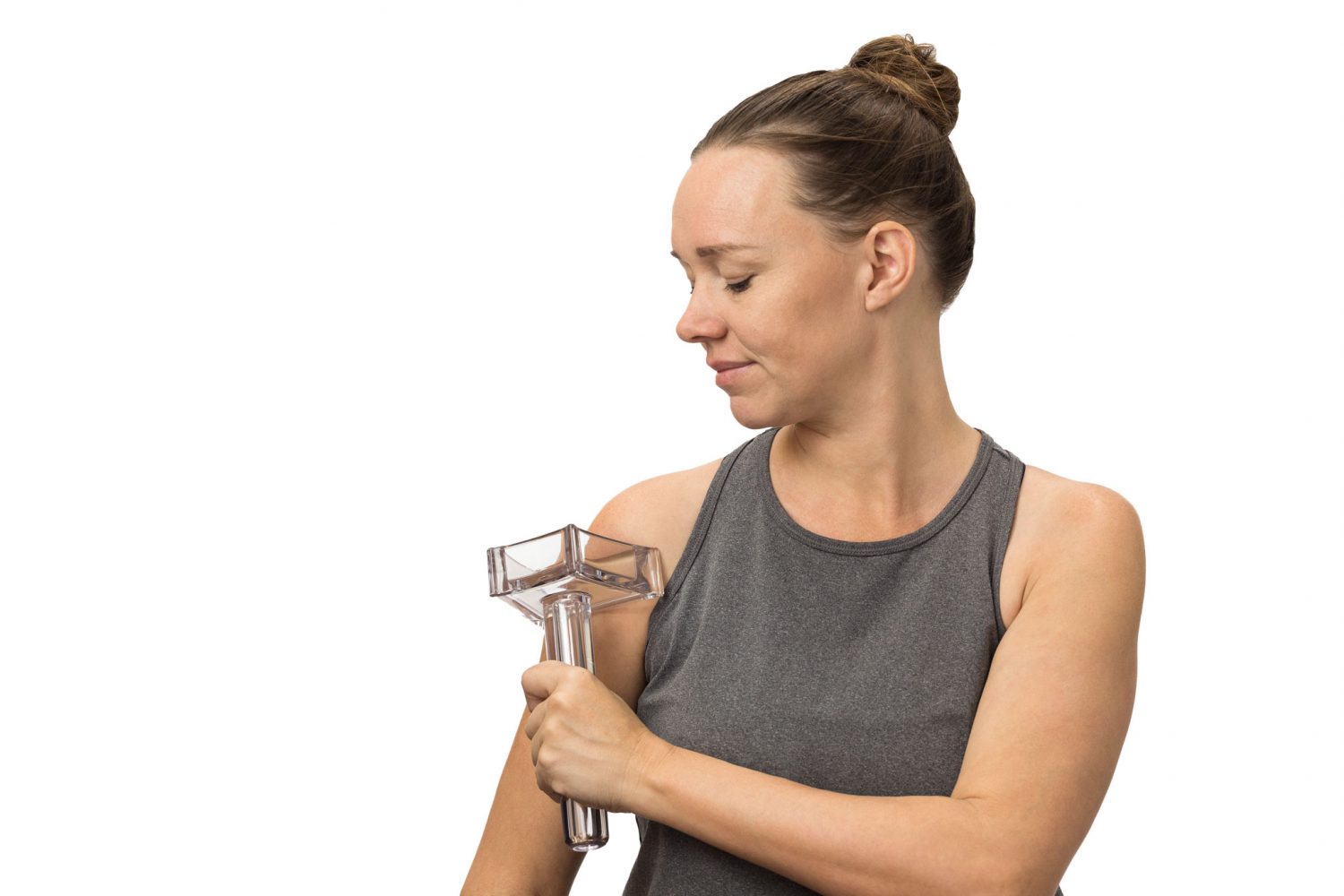
ASTR Scar tissue release tool

Dr. Joseph Jacobs, DPT, ACN
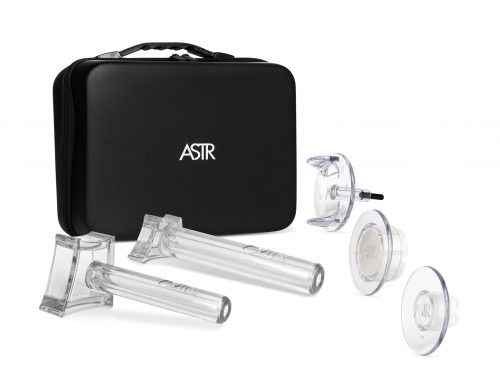
ASTR Tools

ASTR Institute

Pain No More Book by Dr. Jacobs
Patented clinical-grade myofascial and fibrotic release instruments that break down scar tissue, release adhesions, improve mobility, and reduce chronic pain
CLERMONT, FL, UNITED STATES, March 24, 2026 /EINPresswire.com/ -- Millions of people struggle with chronic abdominal discomfort, pelvic pain, digestive tension, rib tightness, or unexplained musculoskeletal symptoms that fail to improve with traditional care. Increasingly, research shows that one of the most overlooked contributors to these issues is visceral adhesions—bands of scar tissue and fascial restrictions that limit the natural movement of internal organs. Addressing this challenge head-on, Doctor of Physical Therapy and Advanced Clinical Nutritionist Dr. Joseph Jacobs has unveiled a breakthrough approach: patented visceral release tools engineered to mobilize organ-related fascial tension, improve visceral glide, and reduce pain at its source.These patented instruments—originally developed for fibrosis release—have proven exceptionally effective for visceral fascial therapy, giving both clinicians and patients a precise, gentle, and safe way to address deep-tissue restrictions.
Tools available here:
https://advancedsofttissuerelease.com/scar-tissue-release-tools-patented-instruments-for-fibrosis-therapy-pain-relief/
Dr. Jacobs, a two-time cancer survivor, developed the tools after experiencing chronic abdominal pain and widespread fascial restriction following cancer treatment. His recovery journey drove him to study visceral mobility, fascia behavior, scar formation, organ biomechanics, and pain physiology, ultimately creating a patented instrument system that has transformed the way healthcare practitioners approach visceral and abdominal pain.
Today, these tools are used globally by physical therapists, chiropractors, massage therapists, pelvic floor specialists, occupational therapists, athletic trainers, pain specialists, and patients performing safe at-home maintenance.
Visceral Adhesions: A Widespread and Often Misdiagnosed Cause of Pain
While most people understand scars on the skin, few realize that scar tissue also forms inside the body, especially around organs and abdominal structures. These visceral adhesions can develop from:
- Surgeries
- C-sections and childbirth
- Endometriosis
- Digestive inflammation
- Pelvic inflammatory disease
- Laparoscopic procedures
- Infection
- Trauma
- Chronic postural compression
- Repetitive internal stress or tension
Scientific research reveals the scale of this hidden issue:
- 93% of patients develop adhesions after abdominal surgery
- Adhesions are responsible for 60% of intestinal obstructions
- Up to 70% of chronic pelvic pain is caused by fascial or visceral tension
- Organ-related adhesions can reduce mobility by 30–70%
- Endometriosis affects over 200 million women globally, often producing severe internal scar tissue
- Adhesions are one of the most frequent causes of persistent abdominal pain years after surgery
Despite this, visceral adhesions remain underdiagnosed and undertreated, leaving millions without answers and leading to unnecessary medications, imaging, and sometimes repeat surgeries.
Viscera—the organs—need to glide against the abdominal wall and surrounding fascia as we move, bend, rotate, breathe, and bear weight. When adhesions form, they create restrictive pulling patterns that may result in:
- Chronic abdominal or pelvic pain
- Digestive discomfort
- Bloating or constipation
- Rib or diaphragm tightness
- Breathing dysfunction
- Low back pain
- Hip tension
- Painful intercourse
- Referred musculoskeletal pain
- Postural imbalances
- Difficulty standing fully upright
Dr. Jacobs’ patented visceral release system is one of the first innovations designed to help clinicians and patients safely mobilize these internal restrictions without surgery.
How the Patented Tools Support Visceral Release
Traditional visceral manipulation is performed only with the hands. While skilled manual therapy can help, fingers alone often lack the necessary precision—and can cause discomfort when used to reach deeper fascia layers. Dr. Jacobs’ patented tools were engineered to solve these limitations by enabling:
✔ More accurate detection of fascial restrictions
The bevel and contour of the tools allow clinicians to feel subtle differences in tissue tension, density, and glide.
✔ Gentle, controlled pressure for deeper layers
Tools provide better mechanical leverage, reducing the force needed from the practitioner.
✔ Safe mobilization of abdominal and pelvic fascia
Smooth surfaces prevent irritation while still addressing dense fibrotic layers.
✔ More efficient treatment of post-surgical adhesions
C-section scars, appendectomy scars, hernia repairs, and laparoscopic incisions respond particularly well.
✔ Improved tissue glide and organ mobility
Restoring movement between organs can relieve pain and improve digestion and posture.
✔ Reduction of neural tension
Scar tissue often entraps nerves; releasing adhesion lines can decrease radiating symptoms.
✔ Enhanced lymphatic flow and circulation
Softening restricted fascial layers allows fluids to move more freely through the abdomen.
✔ Support for diaphragm and breathing mobility
The diaphragm’s fascial connections often bind to scar tissue; releasing them can improve oxygenation and rib movement.
Each tool is constructed with precision edges, balanced weight, and ergonomic curves to match anatomical surfaces. Unlike traditional scraping tools—which frequently bruise or irritate tissue—ASTR tools are engineered for comfort, accuracy, and minimal inflammation.
Integrating Visceral Release Into a Full-Body System
Visceral fascia does not exist in isolation. Restrictions inside the abdomen can influence posture, pelvic alignment, breathing mechanics, circulation, and spinal movement. For this reason, the ASTR Method combines visceral release with:
- Fibrotic tissue release
- Fascial decompression
- Myofascial mobilization
- Stress and neurological regulation
- Postural training
- Behavioral modification
- Biochemical and inflammatory load reduction
This integrated approach allows clinicians to treat not just the pain, but the patterns that sustain it. Providers worldwide learn this system through the ASTR Healthcare Provider Course:
https://advancedsofttissuerelease.com/astr-healthcare-provider-course/
The course teaches how to:
- Assess visceral fascial restrictions
- Identify adhesion lines and tension patterns
- Use patented tools safely and effectively
- Integrate visceral release with postural correction
- Improve outcomes for chronic pain and digestive complaints
- Reduce practitioner fatigue and strain
This positions ASTR as a leader in both tool innovation and clinical education.
Who Uses the Visceral Release Tools?
Healthcare Providers
Clinicians apply these instruments to address:
- C-section scar tension
- Endometriosis adhesions
- Abdominal wall fibrosis
- Pelvic floor fascial restriction
- Digestive mobility issues
- Post-surgical pain
- Rib and diaphragm restrictions
- Hernia repair adhesions
- Appendectomy or gallbladder scar pulling
- Chronic low back pain linked to visceral tension
Patients and Home Users
Patients use the tools for:
- Softening abdominal scars
- Improving digestive comfort
- Daily maintenance after pelvic or abdominal surgery
- Reducing menstrual and pelvic tension
- Easing lower abdominal tightness
- Supporting breathing and posture
- Maintaining progress between therapy sessions
Because the tools are engineered for gentle use, many individuals incorporate them into their long-term self-care routines.
The Visceral Connection to Pain No More
Dr. Jacobs’ book, Pain No More: 7 Proven Secrets to End Chronic Pain, outlines the seven primary drivers of chronic pain. Two of these—fibrotic tissue and fascial restriction—are central to visceral mobility.
Visceral adhesions frequently combine:
- Fibrosis (dense scar tissue)
- Fascial tightness (restricted connective tissue)
These internal restrictions influence biomechanics throughout the body.
The patented ASTR tools provide the hands-on, mechanical solution to address these two critical components of Dr. Jacobs’ root-cause framework.
The Problem With Traditional Treatment Approaches
Many individuals with visceral restrictions receive treatments that do not address the actual cause of their pain, including:
- Pain medications
- Muscle relaxers
- Massage
- Core strengthening
- Abdominal exercises
- Heat or ultrasound
- Stretching programs
These methods may be supportive, but they do not resolve deep fascial adhesions.
Without targeted intervention, the underlying restriction persists—and symptoms often return or worsen.
Availability
Visceral Release / Scar-Release Tools:
https://advancedsofttissuerelease.com/scar-tissue-release-tools-patented-instruments-for-fibrosis-therapy-pain-relief/
IASTM & Myofascial Instrument Collection:
https://advancedsofttissuerelease.com/product/iastm-tools-myofascial-release-scar-trigger-points-graston-guasha-massage/
ASTR Healthcare Provider Course:
https://advancedsofttissuerelease.com/astr-healthcare-provider-course/
About Dr. Joseph Jacobs
Dr. Joseph Jacobs is a Doctor of Physical Therapy, Advanced Clinical Nutritionist, inventor, educator, and founder of the ASTR Institute. As a two-time cancer survivor who personally experienced abdominal adhesions and chronic pain, he developed the patented ASTR tool system and clinical training program now used worldwide. His work integrates fascia science, biomechanics, pain physiology, nutritional insights, and root-cause treatment strategies. Dr. Jacobs is also the author of Pain No More, Eat to Heal, and Beating Migraines.
Dr. Joseph Jacobs, DPT
ASTR Institute
+1 949-236-6862
email us here
Visit us on social media:
LinkedIn
Instagram
Facebook
YouTube
TikTok
X
Rapid Relief: 3 Severe Back Pain Cases Fixed Fast with ASTR
Legal Disclaimer:
EIN Presswire provides this news content "as is" without warranty of any kind. We do not accept any responsibility or liability for the accuracy, content, images, videos, licenses, completeness, legality, or reliability of the information contained in this article. If you have any complaints or copyright issues related to this article, kindly contact the author above.
