

Drainage Planning Before Residential Construction Can Help Address Water Management Challenges
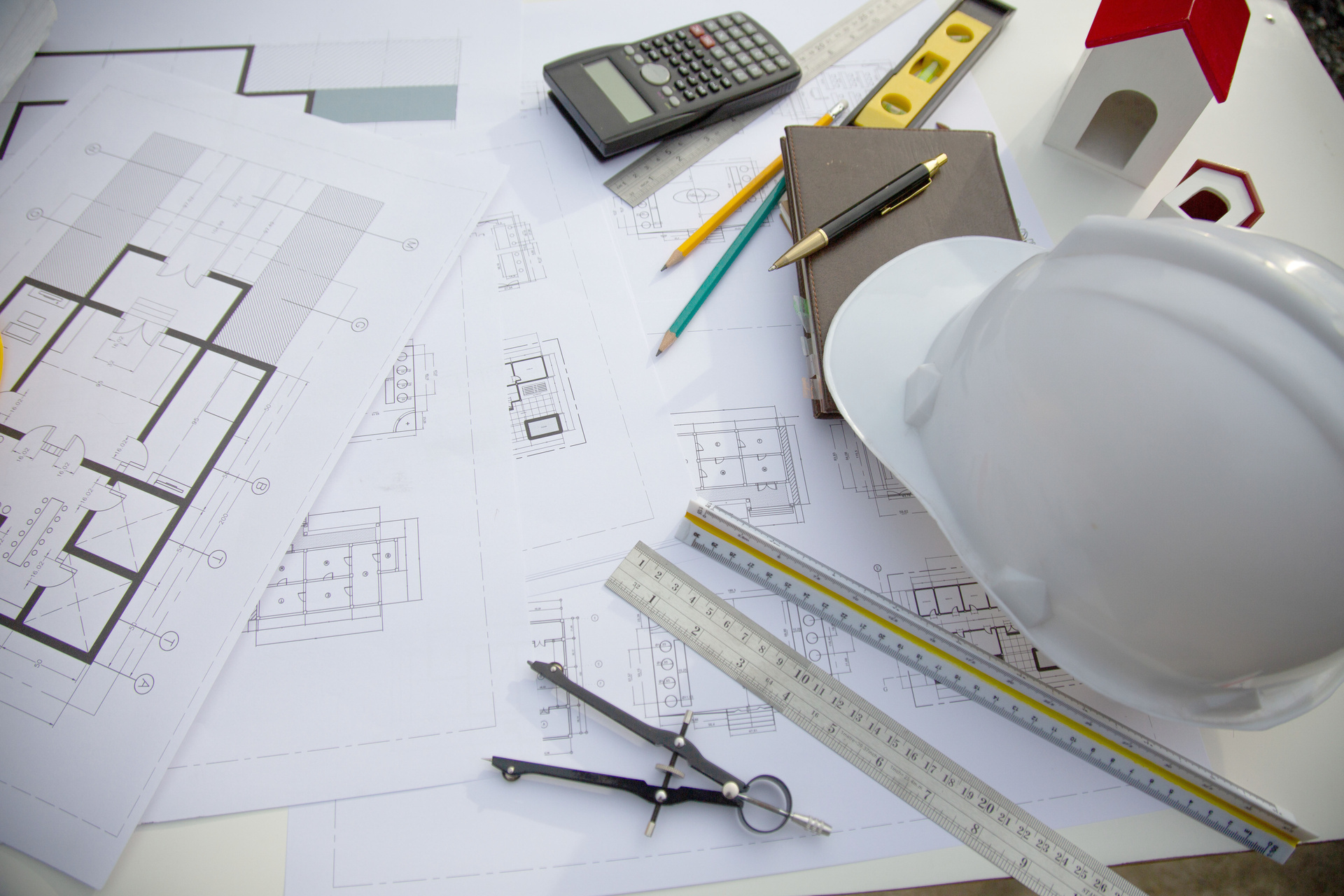

Drainage needs to be considered as part of the site before construction changes the way water naturally moves across the property”
SLIDELL, LA, UNITED STATES, September 4, 2026 /EINPresswire.com/ -- — Elwin Ordoyne
Residential construction involves decisions about foundations, framing, roofing, utilities and dozens of other components, but one important consideration begins before many of those elements are installed. Drainage planning evaluates how rainfall and surface water will move across a residential property after construction changes the existing landscape.
In South Louisiana, where heavy rainfall and relatively flat terrain are common, understanding drainage conditions before construction begins can help identify potential water management concerns involving the house, driveway, neighboring properties and surrounding land.
Site elevations, soil conditions, lot grading, roof runoff, driveways and existing drainage infrastructure can all influence how water travels across a property.
“Drainage needs to be considered as part of the site before construction changes the way water naturally moves across the property,” said Elwin Ordoyne, Vice President of E.C.O. Builders Inc. in Slidell, Louisiana. “A house, driveway, patio and other improvements can redirect significant amounts of water, so understanding those effects early gives the construction team an opportunity to plan accordingly.”
Construction Changes How Rainwater Moves
An undeveloped residential lot typically contains soil, grass, vegetation and other surfaces capable of absorbing at least some rainfall.
Construction changes that environment.
A roof creates a large surface that collects rainwater and directs it toward gutters, downspouts or the ground. Concrete driveways, sidewalks and patios create additional surfaces that prevent water from soaking directly into the soil.
During a heavy rain, hundreds or even thousands of gallons of water can interact with these surfaces.
Drainage planning examines where that water is likely to travel.
The objective is generally to move water away from structures while accounting for property boundaries, existing drainage systems and surrounding elevations.
Lot Elevation Plays an Important Role
Elevation differences can have a substantial effect on residential drainage.
Water naturally travels toward lower areas. Even relatively small elevation differences across a residential lot can determine where water accumulates during rainfall.
Before construction, site conditions can be evaluated to understand the relationship between the proposed home elevation and surrounding property.
Finished floor elevations, yard grades, streets, drainage ditches and neighboring lots may all factor into those calculations.
“Water follows elevation regardless of what a construction drawing intends,” Ordoyne said. “Understanding the actual conditions of the property is an important part of determining how drainage should function after the project is completed.”
Elevation considerations can become particularly significant in areas where properties are relatively flat and water moves slowly after heavy rainfall.
Roofs Create Concentrated Water Flow
A residential roof may cover thousands of square feet.
When rain falls across that surface, the roof collects water that previously would have landed across a much larger area of the property.
Roof design, gutters and downspouts can therefore affect drainage patterns.
Downspouts that discharge near foundations may create concentrated areas of water. Depending on site conditions, drainage components can be used to direct that runoff toward appropriate locations.
Planning those components before construction can help coordinate drainage with landscaping, walkways, driveways and other site features.
Driveways and Patios Affect Surface Drainage
Concrete and other hard surfaces can significantly alter water movement.
A driveway can function almost like a small channel during heavy rainfall, depending on its slope. Patios, pool decks and walkways can produce similar effects.
The placement and elevation of these surfaces should therefore be considered within the overall drainage plan.
A driveway sloping toward a garage, for example, creates a different drainage concern than one directing water toward the street or another designated drainage area.
Planning these elevations before concrete is placed allows drainage considerations to become part of the construction process rather than an issue addressed after the project is completed.
Soil Conditions Can Influence Drainage
Not every residential property absorbs water at the same rate.
Different soils have different drainage characteristics. Some allow rainfall to infiltrate relatively quickly, while others retain water for longer periods.
Compacted soil can also behave differently from undisturbed soil.
Construction activity involving heavy equipment, excavation and fill material can change soil characteristics across portions of a property.
Drainage planning considers these conditions alongside elevations and surface runoff.
Neighboring Properties Are Part of the Equation
Residential drainage does not necessarily stop at a property line.
Changes to grading and surface elevations can affect where water travels in relation to neighboring properties.
That makes surrounding conditions an important consideration during site planning.
Existing homes, fences, drainage swales, ditches, streets and adjacent elevations can provide information about how water currently moves through an area.
“A drainage plan should consider the entire site rather than focusing only on the footprint of the house,” Ordoyne said. “Water movement involves the relationship between the structure, the yard and the surrounding properties.”
Local regulations may also establish requirements concerning drainage, grading and stormwater management.
Early Planning Can Reduce Later Modifications
Drainage issues discovered after construction can be more complicated to address.
Landscaping may already be installed. Concrete may have been poured. Fences may be in place. Gutters and downspouts may already discharge into areas where water collects.
Correcting drainage at that stage can involve modifying existing improvements.
Planning earlier allows drainage components to be coordinated with the overall construction project.
Potential measures may include grading, swales, catch basins, underground drainage piping, gutters, downspout routing or other site-specific methods.
The appropriate approach depends on the characteristics of the property.
Drainage Is Part of Residential Site Planning
Residential drainage involves more than preventing puddles in a yard.
Water movement can affect foundations, landscaping, outdoor living areas, driveways and surrounding properties. In regions that experience frequent heavy rainfall, those considerations become part of the broader process of preparing a site for residential construction.
Evaluating drainage before construction provides an opportunity to understand how the completed project will interact with rainfall rather than waiting for the first major storm to reveal the answer.
For residential construction, planning where the water will go can be just as important as planning where the house will stand.
About E.C.O. Builders Inc.
E.C.O. Builders Inc. is a construction company based in Slidell, Louisiana, providing residential construction, renovation and related building services.
Morgan Thomas
Rhino Digital, LLC
+1 504-875-5036
email us here
Visit us on social media:
Facebook
Legal Disclaimer:
EIN Presswire provides this news content "as is" without warranty of any kind. We do not accept any responsibility or liability for the accuracy, content, images, videos, licenses, completeness, legality, or reliability of the information contained in this article. If you have any complaints or copyright issues related to this article, kindly contact the author above.
